
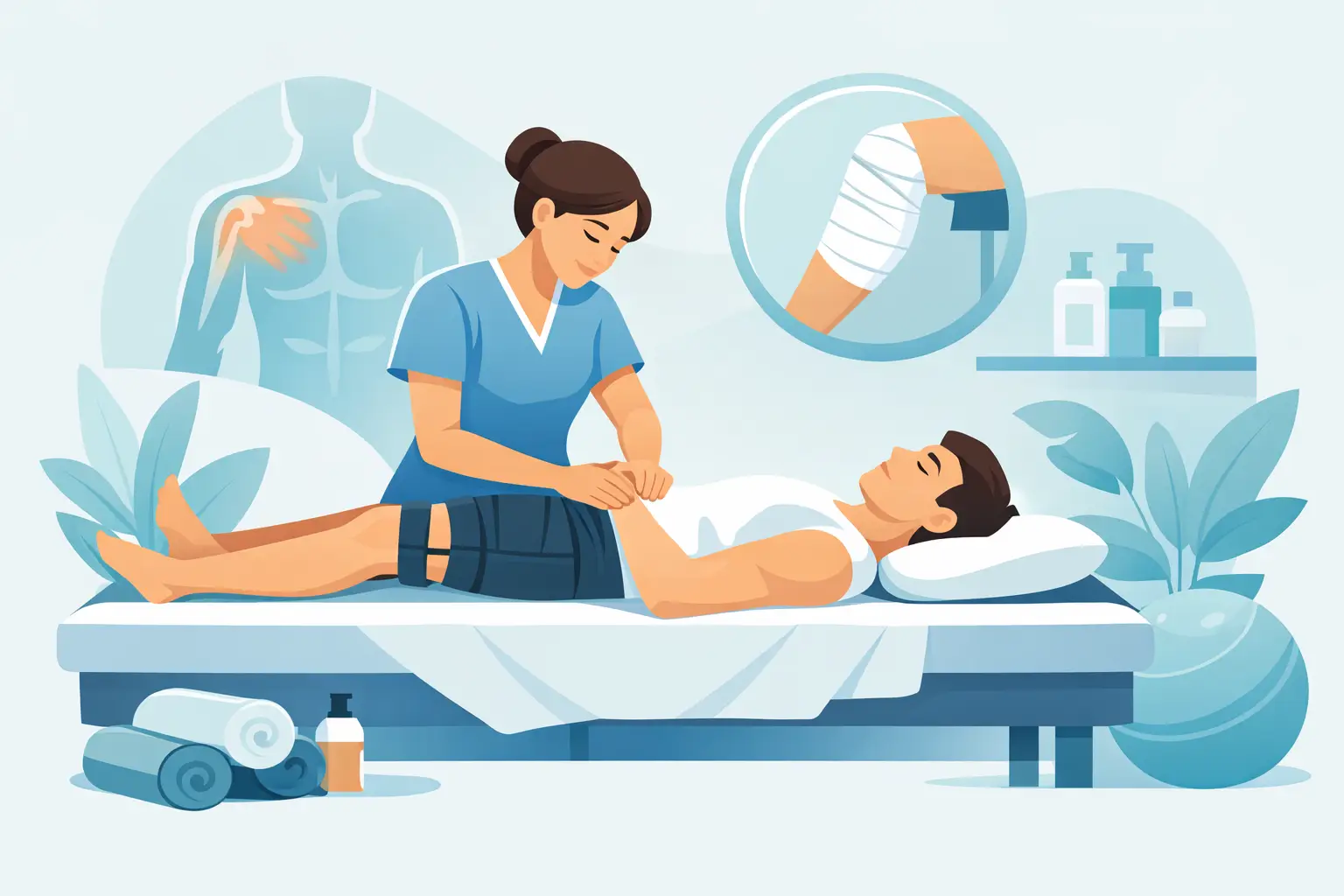
A strained shoulder after hockey, a sore lower back from work, or lingering stiffness after a car accident can all raise the same question – what actually helps you heal, not just feel better for a day or two? Registered massage for injury recovery is often part of that answer because it can address pain, muscle tension, reduced mobility, and the compensation patterns that tend to show up after an injury.
The key is using massage therapy at the right time, for the right reason, and as part of a treatment plan that matches the injury in front of you. Injury recovery is rarely one-size-fits-all. A fresh ankle sprain needs a different approach than chronic neck tension after months at a desk, and both are different again from post-accident soft tissue pain.
What registered massage for injury recovery actually does
Massage therapy is sometimes misunderstood as a comfort treatment only. Relaxation can absolutely be part of it, but registered massage therapy in an injury setting is more targeted than that. The goal is to influence the tissues and movement patterns that are limiting recovery.
When an area is injured, the body often responds with guarding. Muscles tighten to protect the area, nearby joints move differently, and other regions start picking up the slack. That can create a chain reaction. A calf strain can change your gait. A low back injury can lead to tight hips and irritated glutes. A shoulder issue can travel into the neck.
Registered massage for injury recovery helps by reducing excessive muscle tension, improving local circulation, supporting tissue mobility, and making movement feel less restricted. For many patients, that means less pain with daily activities, easier range of motion, and better tolerance for exercise, rehab, or work demands.
It can also help calm an irritated nervous system. After an injury, especially one that has been painful for weeks or months, the body can stay on alert. Skilled hands-on treatment can help reduce that protective overactivity so movement becomes less threatening and recovery feels more manageable.
When massage therapy helps most
Massage therapy can be helpful across many stages of recovery, but timing matters. In the very acute phase, the focus is usually on protecting the injured area, managing inflammation, and avoiding anything that aggravates symptoms. That does not always mean massage is off the table. It means the treatment needs to be adapted.
Early on, therapy may focus on surrounding muscles rather than direct pressure into a fresh injury. As healing progresses, massage can become more specific. That might include work on tight compensating muscles, scar tissue restrictions, or areas that have become stiff because you have been moving less.
This is where clinical judgment matters. Too much pressure, too soon, can leave a patient feeling flared up. Too little structure in the treatment plan can also slow progress. The most effective care tends to strike a balance between symptom relief and functional improvement.
Common injuries that respond well to registered massage
Many musculoskeletal injuries can benefit from massage therapy when treatment is properly matched to the condition. These often include sprains and strains, whiplash, tension headaches related to neck dysfunction, repetitive strain injuries, sports injuries, low back pain, shoulder impingement, hip tightness, and postural overuse issues.
Massage can also be useful after an injury has technically healed but still does not feel normal. That is common. Tissue repair and full functional recovery are not always the same thing. You may no longer have swelling or sharp pain, yet still deal with stiffness, weakness, pulling sensations, or fear around movement.
In those cases, hands-on treatment can help restore confidence in motion while supporting a more complete return to activity.
What a treatment plan should look like
A good injury recovery plan usually does more than chase sore spots. It starts with understanding how the injury happened, what movements are limited, what activities trigger symptoms, and what other parts of the body may be contributing.
That is one reason a multidisciplinary setting can be valuable. Massage therapy works well alongside chiropractic care, acupuncture, shockwave therapy, corrective exercise, and other treatments when clinically appropriate. If your low back pain is partly driven by poor hip mobility and partly by tissue tension, you may need more than one strategy to create lasting change.
At Pulse Health, this integrated model helps patients avoid fragmented care. Instead of bouncing between separate providers with separate plans, patients can receive coordinated treatment that supports both short-term relief and long-term function.
Registered massage for injury recovery is not just about pressure
A common assumption is that deeper treatment is always better. In reality, effective massage therapy is about precision, not force. Some injuries respond well to deeper work once tissues are ready. Others improve more with controlled, moderate pressure and gradual progression.
If a treatment leaves you unable to move comfortably for days, that is not always a sign that it worked. Some post-treatment soreness can be normal, especially when restricted areas are being addressed, but the broader pattern should be improvement over time. Your pain should become more manageable, your movement should improve, and flare-ups should become less frequent or less intense.
A registered massage therapist will adjust technique based on the stage of healing, the sensitivity of the tissue, and your overall presentation. That may include myofascial work, trigger point therapy, lymphatic support, range-of-motion techniques, or treatment to related structures above and below the injury site.
What patients can realistically expect
Massage therapy can be very effective, but expectations should stay grounded. Not every injury resolves in a couple of sessions. Recovery depends on the type of injury, how long it has been present, your activity demands, sleep, stress, and whether there are underlying movement issues that still need to be addressed.
Some patients feel noticeable relief after the first session, especially when muscle guarding is a major factor. Others improve gradually over several visits. Chronic injuries and recurring pain patterns usually require more patience because the body has spent longer adapting around the problem.
The best sign that treatment is helping is not just that you feel looser on the table. It is that you can do more afterward. Walking, lifting, sleeping, working, training, or turning your head while driving should start to feel easier.
How to know when massage should be part of your recovery
If you have pain that is limiting movement, muscle tightness that keeps returning, or stiffness that lingers after an injury, massage therapy may be worth considering. It can also be helpful if you are stuck in a cycle where symptoms improve briefly and then come back as soon as normal activity resumes.
That said, massage is not the first step for every case. Severe trauma, suspected fractures, active infections, certain vascular conditions, or rapidly worsening neurological symptoms need medical evaluation first. Even in less urgent cases, the right care starts with proper assessment rather than guessing.
That is why individualized treatment matters. Two people can both say they have back pain, yet one may need mobility work and soft tissue treatment while the other needs a different clinical path entirely.
Why coordinated care often leads to better outcomes
Injury recovery tends to move faster when treatment addresses both the painful tissue and the reason it keeps getting overloaded. Massage can reduce tension and improve mobility, but if the joint mechanics, movement habits, or training errors behind the problem stay the same, relief may not last.
That is where collaborative care has an advantage. A patient recovering from a shoulder injury may benefit from massage to reduce muscle guarding, chiropractic treatment to improve joint motion, and guided rehab to rebuild strength and control. Someone dealing with plantar pain may need soft tissue work, shockwave therapy, and orthotic support.
This kind of plan is often more practical for busy adults because it keeps care efficient and focused. It also helps patients understand why they are receiving each treatment instead of feeling like they are trying random options.
If you are looking for registered massage for injury recovery, the best choice is a clinic that treats the whole picture. That includes a clear assessment, honest recommendations, and a plan that changes as your body improves. Pain relief matters, but so does getting back to work, training, and everyday movement with more confidence. When treatment is personalized and coordinated, recovery tends to feel less frustrating and more productive.
The right hands-on care should help you move forward, not just help you get through the week.