
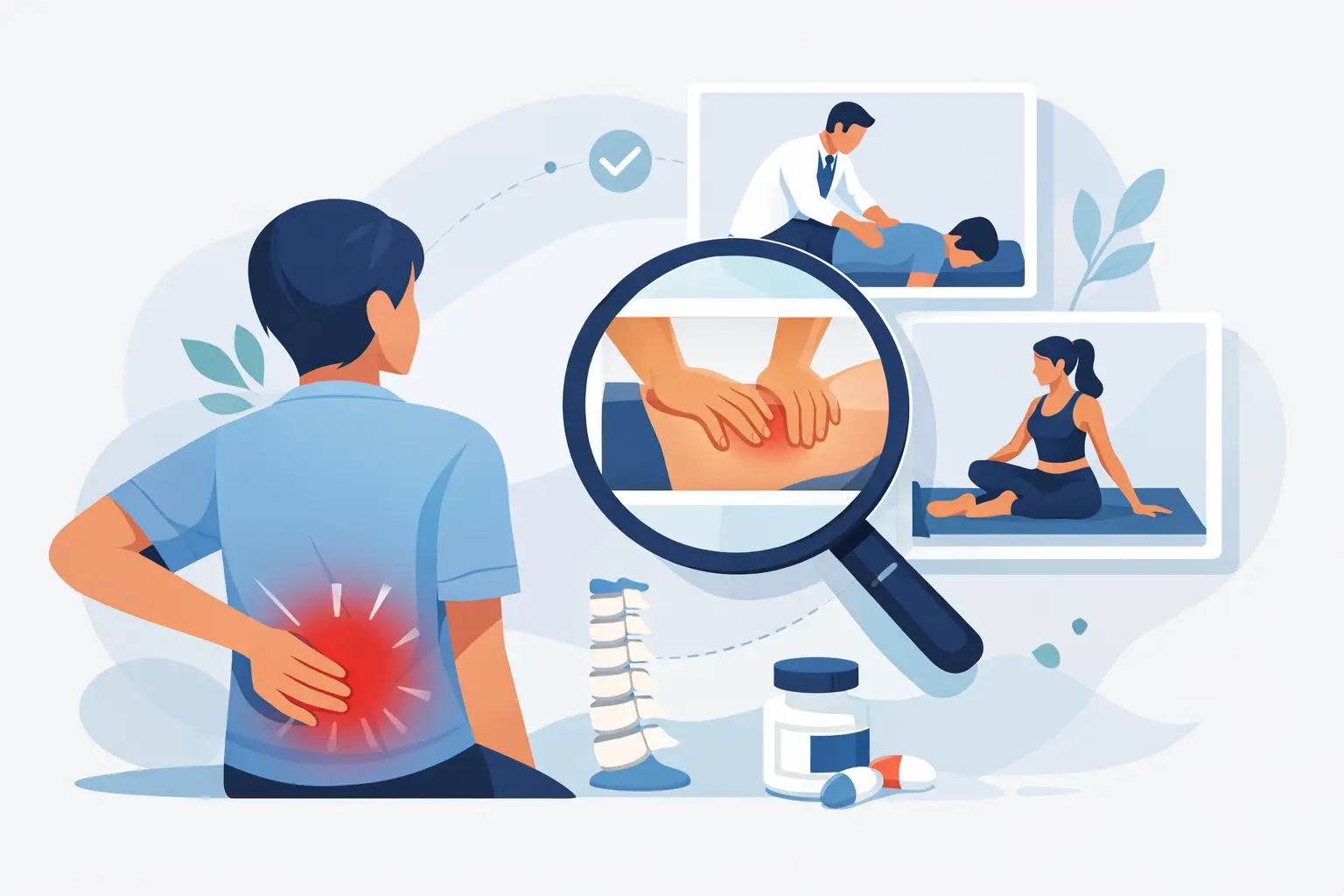
A stiff lower back after a long workday is one thing. Pain that keeps showing up when you sit, sleep, lift, train, or even walk the dog is different. Effective back pain treatment starts with a simple question many people never get answered clearly: why does your back hurt in the first place?
That question matters because back pain is not one condition. It can come from irritated joints, muscle strain, disc issues, poor movement patterns, nerve irritation, postural stress, old injuries, or a mix of several factors at once. Treating only the pain without understanding the driver often leads to short-term relief and a frustrating return of symptoms.
Why back pain treatment should never be one-size-fits-all
Two people can describe the same symptom and need very different care. One person may have sharp pain after lifting something awkwardly. Another may have a slow-building ache from months of desk work and reduced mobility. A runner might develop back pain because of hip weakness or foot mechanics, while someone else may be dealing with stiffness after a car accident or workplace injury.
This is why a personalized assessment matters. Good care looks at where the pain is, what movements aggravate it, what eases it, how long it has been going on, and whether there are related problems in the hips, pelvis, neck, or feet. In many cases, the painful area is only part of the story.
A patient-centered plan should also account for your schedule, activity level, work demands, and goals. If you are trying to get through your workweek, return to sport, care for your family, or simply sleep without waking up in pain, treatment should be built around that reality.
What causes back pain most often?
Most back pain is mechanical, which means it is related to joints, muscles, discs, ligaments, or movement patterns rather than a serious disease. That is encouraging, because many mechanical causes respond well to conservative care.
Lower back pain often develops from repetitive strain, long periods of sitting, poor lifting mechanics, deconditioning, or sports-related overload. Mid-back pain may be tied to posture, rib and spinal joint restriction, or muscle tension. Upper back discomfort can also be connected to shoulder mechanics and workstation setup.
Pain can feel dull, tight, sharp, achy, or burning. Some people notice stiffness first thing in the morning. Others feel worse later in the day, after exercise, or when they stay in one position too long. If pain travels into the leg, includes numbness or tingling, or is paired with weakness, nerve involvement may need to be considered.
There are also times when back pain needs prompt medical evaluation. Severe trauma, unexplained weight loss, fever, loss of bowel or bladder control, or rapidly worsening neurological symptoms should not be ignored.
Back pain treatment options that work together
The most effective approach is often not a single therapy. It is a coordinated plan that combines symptom relief with functional recovery.
Chiropractic care
Chiropractic treatment can help restore joint motion, reduce stiffness, and improve how the spine moves under load. For some patients, spinal manipulation or mobilization reduces pain quickly, especially when restricted spinal joints are part of the problem. The key is using it appropriately, based on the individual presentation rather than applying the same adjustment to everyone.
Massage therapy
Registered massage therapy can help reduce muscle tension, improve circulation, and make movement more comfortable. This is especially useful when the back is guarding, overworked, or compensating for poor mechanics elsewhere. Massage is often a strong complement to chiropractic care or exercise-based rehab because it helps calm the system enough for better movement.
Acupuncture
Acupuncture may be helpful for pain modulation, muscle tension, and persistent symptoms that have not fully responded to other care. Some patients find it particularly useful for chronic back pain or flare-ups linked to stress and muscle tightness.
Shockwave therapy and cold laser therapy
These therapies can be useful when there is a stubborn soft tissue component, such as chronic tension, tendon-related pain, or slow-healing areas. They are not necessary in every case, but for the right patient they can support tissue recovery and help move treatment forward when progress has plateaued.
Cupping and Gua Sha
These techniques may be added to improve soft tissue mobility and reduce myofascial restriction. They are often used as part of a broader plan rather than as stand-alone solutions.
Orthotics and movement support
Sometimes the source of recurring back pain starts lower down. Foot mechanics, gait issues, and poor shock absorption can affect how forces travel through the knees, hips, and spine. Custom orthotics are not for everyone, but when foot structure is contributing to the problem, they can make a meaningful difference.
The role of exercise in long-term back pain treatment
Hands-on treatment can reduce pain, but long-term change usually depends on improving how your body moves and handles everyday stress. That is where guided exercise and rehab matter.
The right exercise plan depends on the cause of pain. Some people need to restore mobility in the hips and thoracic spine. Others need more core endurance, better glute strength, or improved control during bending, lifting, and rotation. For office workers, part of the answer may be movement breaks and workstation changes. For active adults and athletes, it may involve load management and sport-specific progression.
This is also where many people get mixed messages. Rest can help in the very early stage of an acute flare-up, but prolonged inactivity often makes mechanical back pain worse. On the other hand, pushing through intense workouts too soon can aggravate symptoms. The sweet spot is usually graded movement – enough to maintain function without constantly provoking pain.
Acute pain vs. chronic pain: why timing changes the plan
Recent back pain and long-standing back pain do not behave the same way. Acute pain is often more reactive. The early goal is usually to reduce irritation, restore tolerable movement, and prevent the problem from escalating. Treatment may be more focused on calming inflammation, reducing spasm, and giving you practical modifications for sitting, sleeping, lifting, and working.
Chronic pain tends to be more complex. By the time pain has lasted for months, there may be deconditioning, compensation patterns, fear of movement, repeated flare cycles, and frustration from treatments that only helped briefly. In these cases, successful care often requires a broader lens. Pain relief still matters, but so does rebuilding confidence, resilience, and consistent function.
That is where an integrated clinic model can be especially valuable. When providers work together across chiropractic, soft tissue therapy, acupuncture, and supportive rehab strategies, care can be adjusted as your condition changes rather than restarting from scratch each time.
What to expect from a good treatment plan
A solid plan should feel clear, not confusing. You should understand what the likely source of pain is, what treatments are being recommended, what kind of progress is realistic, and what you can do between visits to support recovery.
Improvement is not always perfectly linear. Some patients feel better quickly. Others improve in stages, especially if the pain has been present for a long time or if their job or sport keeps reloading the same tissues. What matters is whether the plan is helping you move better, recover function, and reduce the frequency or intensity of flare-ups over time.
At Pulse Health, this kind of care is built around the idea that lasting results usually come from treating both the symptoms and the contributing factors. For patients who want non-surgical, drug-free care, that combination can be a practical and effective path forward.
When to seek back pain treatment
If your pain has lasted more than a few days, keeps returning, limits your work or sleep, or changes how you move, it is worth getting assessed. The same is true if you have pain that radiates, recurring stiffness that never fully resolves, or a sense that your back is forcing you to give up activities you used to handle well.
Early care does not just aim to reduce pain. It can help prevent a manageable issue from turning into a chronic one. That is especially important for people with demanding jobs, athletes in training, parents lifting children, and adults who spend hours at a desk and only notice the problem once it begins affecting everything else.
The best time to address back pain is usually before you have fully reorganized your life around it. When treatment is timely, specific, and coordinated, the goal is not simply to get through the next flare-up. It is to help you move with more confidence, recover more completely, and get back to living without thinking about your back every few minutes.