
Pain rarely comes from just one source. A stiff neck after long workdays might also involve poor shoulder mechanics, stress-related muscle tension, and sleep disruption. Ongoing low back pain may start with an injury, then linger because of movement compensation, weakness, inflammation, or repeated strain. That is why integrated pain management matters. Instead of treating pain as a single problem with a single fix, it looks at how the body moves, heals, and adapts over time.
For many people, the frustrating part of pain is not only the discomfort itself. It is the cycle of short-term relief followed by the same symptoms returning. A treatment may calm the area for a few days, but if the underlying drivers are still there, progress often stalls. An integrated approach is designed to break that pattern by combining the right therapies, the right timing, and the right clinical perspective.
What integrated pain management actually means
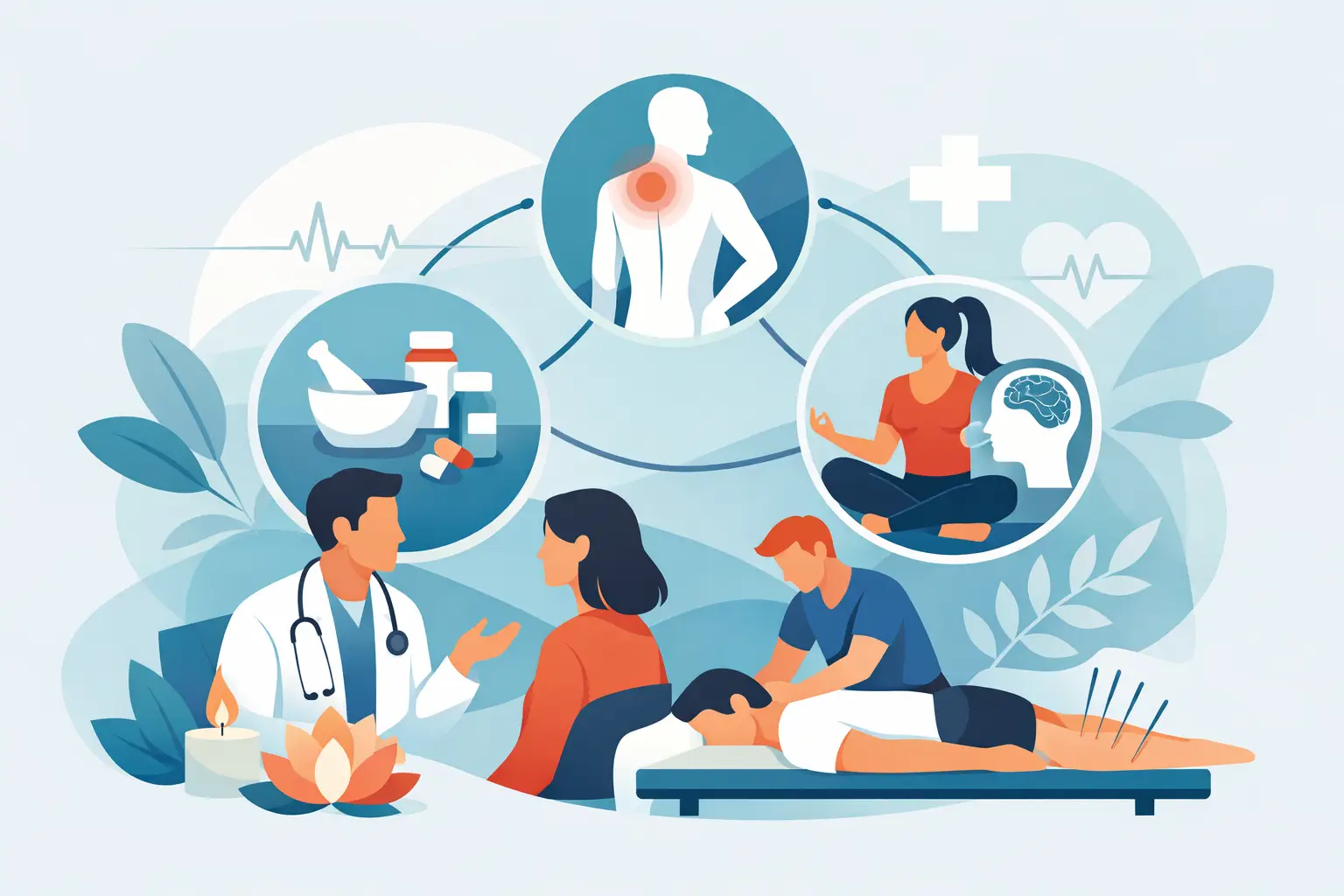
Integrated pain management is a coordinated, whole-person approach to pain relief and recovery. It brings together multiple therapies and clinical viewpoints to address both symptoms and root causes. Rather than relying on one method alone, care is tailored to the individual based on their condition, history, goals, and response to treatment.
In practice, that could mean combining chiropractic care to improve joint mechanics, massage therapy to reduce muscle tension, acupuncture to calm pain pathways, and corrective exercise or orthotics to support better movement patterns. For some patients, adjunctive therapies such as shockwave therapy, cupping, Gua Sha, or cold laser therapy may also be appropriate. The goal is not to add treatments for the sake of variety. The goal is to use each therapy with a clear purpose.
That distinction matters. Good integrated care is organized, not random. Each part of a treatment plan should answer a practical question: What is driving the pain, what is limiting recovery, and what is the next step that is most likely to help?
Why one-size-fits-all pain care often falls short
Pain can be complex, especially when it has been present for weeks or months. The area that hurts is not always the only area involved. Knee pain, for example, may be influenced by hip weakness, ankle mobility, training volume, footwear, or gait mechanics. Headaches may involve neck joint restriction, jaw tension, posture, and stress. Even when imaging shows a structural issue, that does not always explain the full picture of pain intensity or function.
This is where isolated treatment can fall short. If care focuses only on reducing inflammation, only on manipulating a joint, or only on relaxing muscles, the patient may feel partial improvement without lasting change. Sometimes one therapy is enough for a straightforward issue. Often, though, better outcomes come from matching multiple tools to different parts of the problem.
There is also a timing issue. Early in recovery, pain relief and tissue calming may be the priority. Later, the focus may shift toward restoring mobility, rebuilding strength, improving biomechanics, and preventing flare-ups. Integrated pain management allows care to evolve instead of staying fixed.
How an integrated treatment plan is built
The starting point should be a thorough assessment. That includes where the pain is, when it started, what makes it worse or better, how it affects daily life, and what the patient wants to get back to doing. A good evaluation also looks at movement quality, posture, joint function, muscle tension, injury history, work demands, and activity level.
From there, treatment should be individualized. A desk worker with chronic neck and shoulder tension needs a different plan than a runner with plantar heel pain or a senior dealing with arthritic stiffness. Even two people with the same diagnosis may respond differently depending on their workload, conditioning, recovery habits, and nervous system sensitivity.
An effective plan usually includes a mix of three priorities: reducing pain, restoring function, and preventing recurrence. Pain relief helps patients move with less guarding. Restoring function improves mobility, strength, and coordination. Prevention addresses the habits or mechanical issues that may be keeping the problem alive.
Integrated pain management in real life
For acute injuries, integrated care can help speed up recovery while reducing the risk of compensation. A recent back strain, for instance, may respond well to a combination of gentle chiropractic treatment, soft tissue work, and targeted home strategies to keep the area moving without overload. If progress slows, other therapies may be added based on how the tissue is healing.
For chronic pain, the value is often even greater. Longstanding pain tends to involve more than irritated tissue. Over time, people change how they move, avoid certain activities, lose strength, and become understandably cautious. An integrated model can support gradual improvement by combining symptom relief with hands-on care, guided progression, and realistic pacing.
This is especially helpful for patients dealing with recurring headaches, sciatica, shoulder pain, sports injuries, repetitive strain, or work-related musculoskeletal issues. It can also be useful after a motor vehicle accident, when pain patterns are often layered and recovery may require more than one type of treatment.
Common therapies used in integrated pain management
Chiropractic care is often used to improve joint mobility, reduce mechanical restriction, and support better movement. Massage therapy can help decrease muscle tension, improve circulation, and make painful areas easier to treat. Acupuncture may help regulate pain and reduce sensitivity, particularly when muscular tension and nervous system stress are part of the picture.
Shockwave therapy is sometimes used for stubborn soft tissue conditions such as plantar fasciitis, tennis elbow, or calcific shoulder pain. Cold laser therapy may support tissue healing and reduce inflammation in certain cases. Cupping and Gua Sha can be useful adjuncts for soft tissue restriction and circulation, though they are not ideal for every patient. Custom orthotics may help when foot mechanics are contributing to pain higher up the chain, such as in the knees, hips, or low back.
The trade-off is that not every tool fits every condition. More treatment options do not automatically mean better care. The strength of an integrated clinic is not simply having many services. It is knowing when to use them, when not to use them, and how to combine them in a way that is evidence-based and practical.
The role of coordination and communication
One of the biggest advantages of integrated care is coordination. When practitioners work as a team, the patient experience is often smoother and more effective. Information from one provider can shape the next stage of care instead of forcing the patient to repeat the same history at every visit.
That collaboration can also reduce mixed messaging. Patients do better when they understand what is happening, why a certain treatment is being recommended, and what progress should realistically look like. Clear communication builds trust and helps people stay consistent with care.
At Pulse Health, this team-based model is a core part of how treatment is delivered. The focus is on matching the right combination of therapies to the patient, not fitting the patient into a rigid treatment formula.
What patients should look for in an integrated clinic
A strong clinic should begin with listening. Patients need to feel heard, especially when pain has been ongoing or previous treatments have not worked. From there, care should be specific, measurable, and responsive. If a treatment plan is not producing meaningful change, it should be adjusted.
It also helps when access is straightforward. Same-day appointments, direct billing, and insurance compatibility do not replace clinical quality, but they make it easier for patients to start care and stick with it. Consistency matters in recovery, and practical barriers can get in the way.
Most importantly, integrated care should support long-term health, not just temporary relief. That means looking beyond the immediate pain flare and helping patients move better, recover better, and stay active with more confidence.
When integrated pain management makes the most sense
This approach is often a good fit when pain keeps returning, when more than one body region seems involved, or when previous single-modality treatment has only helped a little. It also makes sense for people who want non-surgical, drug-free care and value a plan that can change as they improve.
There are still situations where referral or additional medical evaluation is necessary. Severe trauma, unexplained symptoms, progressive neurologic changes, infection, or systemic illness need prompt medical attention. Integrated pain management works best when providers know the limits of conservative care and act accordingly.
The right treatment plan should make sense to you. It should feel organized, personal, and grounded in what your body actually needs right now. When pain care is coordinated instead of fragmented, progress often becomes more realistic and more sustainable.
Relief matters, but so does getting back to work, training, sleep, and everyday movement without wondering when the next flare-up will hit. That is the real value of an integrated approach – it treats pain as part of a bigger recovery story, not the whole story itself.