
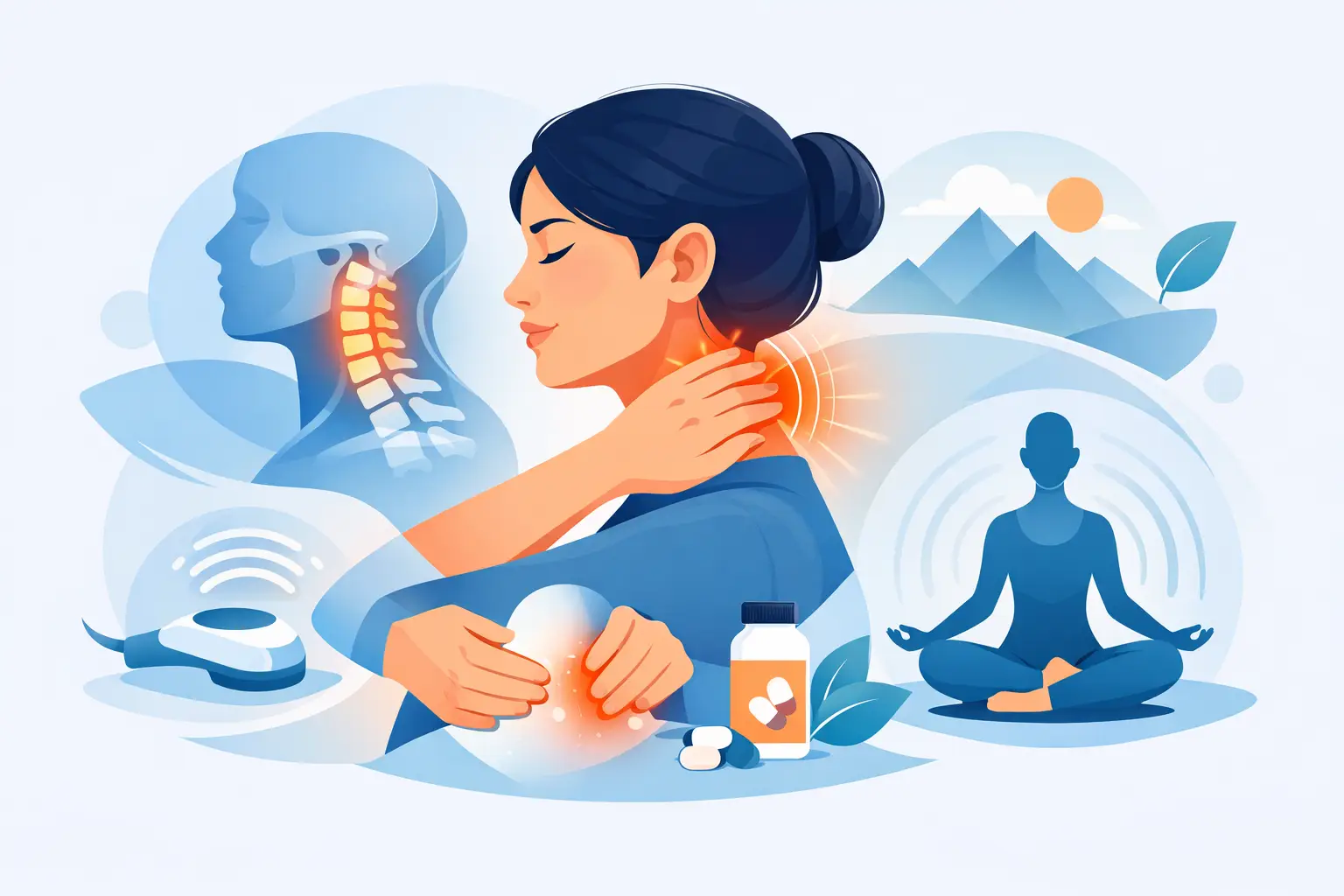
That stiff, pinching feeling when you turn your head to check traffic or look down at your phone is easy to brush off – until it starts showing up every day. For many adults, neck pain relief is not just about feeling better for a few hours. It is about getting through work comfortably, sleeping without interruption, and moving with confidence again.
Neck pain can start suddenly after a workout, a poor night of sleep, or a minor injury. It can also build slowly from desk work, stress, repetitive movement, or posture habits that overload the muscles and joints over time. The challenge is that the neck rarely acts alone. When it is irritated, the shoulders, upper back, jaw, and even headaches often become part of the picture.
Why neck pain happens so often
The neck is built for mobility. It supports the weight of the head while allowing you to rotate, bend, and look up and down throughout the day. That flexibility is useful, but it also makes the area vulnerable to strain.
A common issue is mechanical neck pain, which means the discomfort is related to muscles, joints, discs, or movement patterns rather than a more serious medical condition. Hours at a computer, driving, lifting, sleeping in an awkward position, sports contact, and stress-related muscle tension can all contribute. Even something as ordinary as holding one posture too long can create stiffness and irritation.
Posture gets a lot of attention, and for good reason, but it is not the whole story. It is less about having perfect posture every second and more about spending too much time in one position without enough movement, strength, or recovery. A person with an active job may develop neck pain from repetitive overhead work, while someone at a desk may feel it from prolonged sitting and screen use. The cause depends on the person, their routine, and how their body is handling load.
What effective neck pain relief should actually do
Temporary relief has value, especially when pain is limiting sleep or basic movement. But if symptoms keep returning, the goal has to be bigger than short-term comfort.
Good neck pain relief should reduce pain, restore mobility, and address the reason the area keeps getting irritated. That could mean calming muscle tension, improving joint motion, supporting tissue healing, correcting movement habits, or reducing strain coming from the shoulders and upper back. In many cases, it means doing several of those things together.
This is where a one-size-fits-all approach often falls short. Two people can both say, “My neck hurts,” but one may be dealing with muscle guarding after stress and long desk hours, while another has limited joint mobility after a sports injury. Their treatment plans should not look identical.
Signs your neck pain needs more than home care
Mild soreness that improves after rest, gentle movement, heat, or stretching may settle on its own. Still, recurring symptoms are worth paying attention to.
If your pain has lasted more than a few days, keeps returning, or limits turning your head, working, exercising, or sleeping, it is a good time to get assessed. The same goes for pain that spreads into the shoulders or upper back, frequent tension headaches, or stiffness that feels worse by the end of the day.
Some symptoms need prompt medical attention rather than conservative care. These include significant numbness, weakness in the arm or hand, severe trauma, loss of coordination, fever, or unexplained weight loss. A proper assessment helps separate routine musculoskeletal pain from situations that need a different level of care.
Neck pain relief options that work best together
For many people, the best results come from combining therapies rather than relying on only one. Neck pain often involves muscles, joints, fascia, and movement habits at the same time, so a more integrated plan tends to make sense.
Chiropractic care for movement and joint function
When neck joints are restricted or moving poorly, chiropractic treatment may help restore motion and reduce mechanical stress. Care may include manual adjustments or mobilization techniques, depending on the patient, their comfort level, and the clinical findings. The aim is not simply to create a quick release. It is to improve how the neck and surrounding structures move so the area is under less strain during daily activity.
Massage therapy for muscle tension and recovery
Tight muscles in the neck, upper traps, and shoulders can create a constant sense of pulling or pressure. Registered massage therapy can help reduce that tension, improve circulation, and support recovery from overuse. It is especially helpful when stress, work posture, or training volume is part of the problem.
Acupuncture and other supportive therapies
Some patients respond well to acupuncture, especially when pain is persistent or muscle tension is hard to calm down. Other adjunctive options, such as cupping, Gua Sha, shockwave therapy, or cold laser therapy, may be appropriate depending on the tissue involved and the stage of healing. These are not interchangeable tools. Their value depends on the diagnosis and the treatment goal.
Corrective exercise and movement coaching
Hands-on care can reduce pain, but lasting change usually requires some active work. Specific exercises may help improve deep neck support, shoulder blade control, posture tolerance, and overall mobility. The right plan is typically simple and targeted. More exercises are not always better. The best program is one a patient can realistically follow and progress over time.
At Pulse Health, this type of team-based approach can be especially useful because patients often benefit from more than one therapy as recovery progresses.
The role of daily habits in lasting neck pain relief
Treatment matters, but what happens between visits matters too. Small habits repeated every day can either keep the neck irritated or help it settle down.
If you work at a computer, your setup should support neutral positioning without forcing your head forward for hours. Your screen height, chair support, and keyboard position all affect how much work your neck muscles do. Even with a good setup, staying still too long is a problem. Brief movement breaks during the day can make a real difference.
Phone use is another frequent trigger. Looking down for long periods increases the load on the neck and upper back. Holding the device higher, switching positions often, and limiting long stretches of screen time can help more than most people expect.
Sleep can also be part of the issue. A pillow that pushes the head too far up or lets it drop too low may leave the neck irritated by morning. There is no perfect pillow for everyone, but the goal is simple – keep the neck supported in a more neutral position.
Stress has a physical effect too. Many people carry tension in the shoulders and neck without noticing it until pain becomes constant. Breathing work, regular movement, and managing workload or recovery time can all support physical treatment.
Why recurring neck pain keeps coming back
When neck pain becomes repetitive, it is often because the underlying driver was never fully addressed. Pain may decrease, but the stiffness, weakness, work demands, training errors, or movement restrictions remain. As soon as life returns to normal, the symptoms do too.
This is one reason short-term fixes can feel frustrating. Ice, heat, stretching, or over-the-counter medication may help with flare-ups, but they do not always resolve the reason the tissue is being overloaded. Lasting improvement usually comes from pairing symptom relief with a clear treatment plan and better load management.
There is also a timing factor. The longer pain sticks around, the more the body can become protective. Muscles tighten, movement becomes guarded, and normal activity starts to feel threatening. Early care can help interrupt that cycle before it becomes harder to reverse.
What to expect from a professional assessment
A good assessment should feel thorough, not rushed. It should look at when the pain started, what movements aggravate it, whether symptoms refer into the arm or head, and what your day-to-day demands look like. It should also include a physical evaluation of mobility, muscle tension, joint function, and relevant strength or neurological signs.
From there, the treatment plan should be individualized. Some patients need symptom relief first so they can sleep and move again. Others are ready to focus quickly on mobility, strengthening, and prevention. Progress should be measurable, with adjustments based on how the body responds.
That is especially important for active adults, office workers, injury patients, and seniors who do not all place the same demands on their bodies. Effective care meets the patient where they are instead of forcing everyone into the same process.
Neck pain can be stubborn, but it is often very treatable when the right structures, habits, and contributing factors are addressed together. If your symptoms keep returning or are starting to affect how you work, sleep, or move, that is a sign to stop chasing temporary fixes and start looking for care that is built around lasting change.