
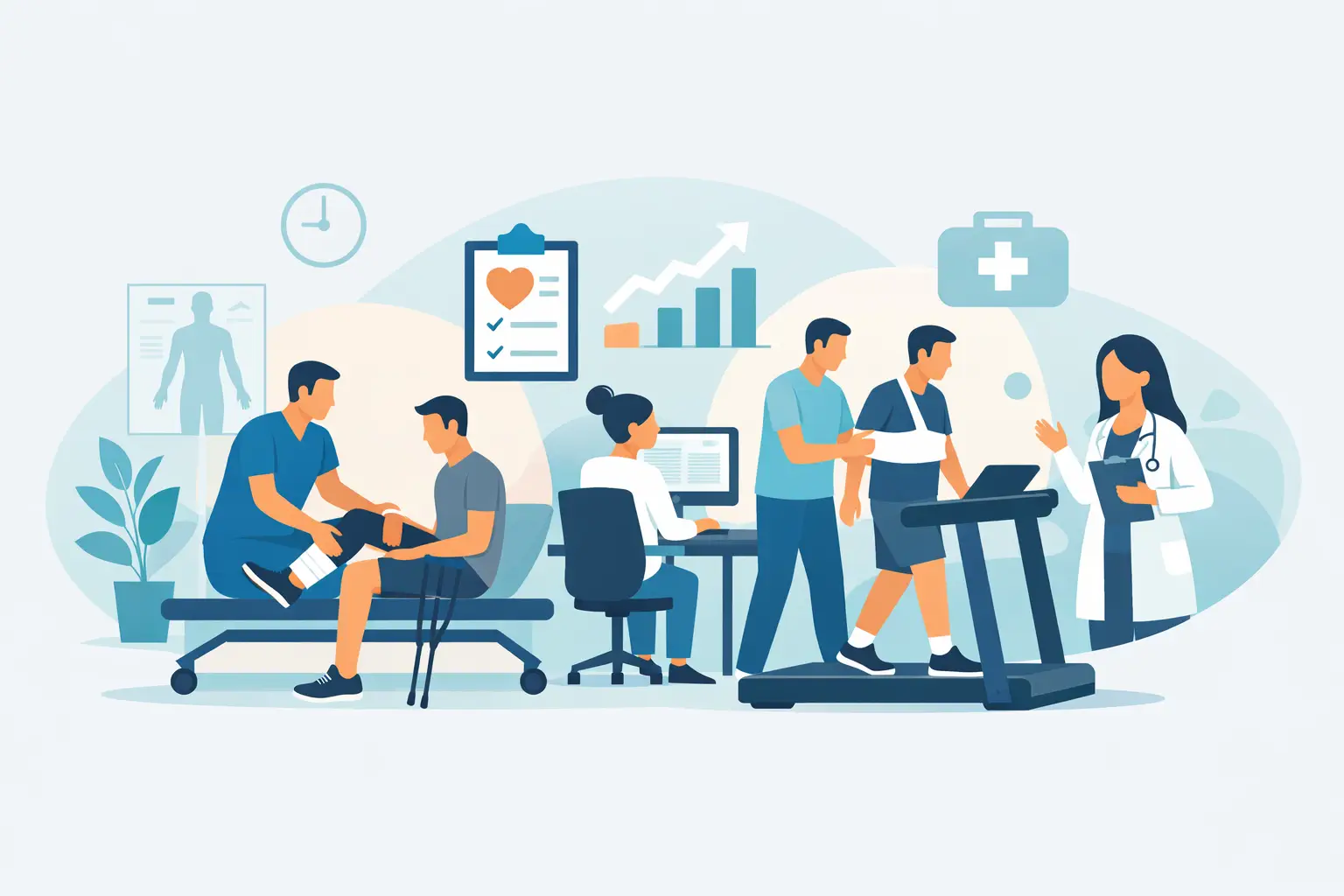
A back strain from lifting, a shoulder injury from repetitive motion, or a slip that jars the neck can change an ordinary workday fast. What happens next matters. The workplace injury rehabilitation process is not just about reducing pain for a few days. It is about helping the body heal properly, restoring movement and strength, and making it safer to return to regular duties without falling into a cycle of reinjury.
For many people, the hardest part is not the diagnosis. It is the uncertainty. They want to know how long recovery will take, whether they should keep moving, what treatment actually helps, and when they can get back to work without setting themselves back. A clear rehabilitation plan can answer those questions and make the process feel far more manageable.
What the workplace injury rehabilitation process is meant to do
At its best, rehabilitation is not passive care. It is a structured recovery plan designed around function. That means the goal is not only to calm symptoms, but to improve how the injured area performs in real life, whether that means standing through a shift, lifting safely, climbing stairs, sitting at a desk without flare-ups, or repeating the same task without increasing strain.
Workplace injuries often involve more than one issue at a time. A lower back injury may include stiffness, muscle guarding, weakness, poor movement patterns, and fear of movement after the initial accident. A wrist or shoulder injury may involve both inflammation and compensation elsewhere in the body. This is why effective care usually looks at the whole picture instead of focusing on one painful spot in isolation.
The first stage of workplace injury rehabilitation process care
Early care usually starts with assessment. That includes understanding how the injury happened, what movements or tasks aggravate it, how severe the symptoms are, and whether there are signs that call for imaging or medical referral. This stage also looks at function. Can you bend, reach, grip, walk, sit, or stand normally? What work tasks are currently limited?
This first phase often focuses on pain control and protection without encouraging unnecessary rest. Complete rest sounds sensible, but for many musculoskeletal injuries it can slow progress if it goes on too long. The better approach is usually guided activity. That might mean modified movement, temporary work restrictions, hands-on treatment, and exercises that keep the body active without overloading the injured tissue.
The exact treatment mix depends on the injury. Chiropractic care may help improve joint mobility and reduce mechanical stress. Massage therapy can ease muscle tension and improve comfort. Acupuncture may support pain relief for some patients. Modalities such as shockwave therapy or cold laser may be considered when they match the condition and stage of healing. The key is not using everything at once. It is choosing the right tools for the right problem.
Why early movement matters
One of the biggest misconceptions around injury recovery is that pain always means damage is getting worse. Sometimes that is true, especially in the early stages or with red-flag symptoms. But often, pain during recovery reflects sensitivity, stiffness, or deconditioning rather than fresh harm. That is why rehab generally includes movement long before a person feels one hundred percent.
Gentle, progressive movement helps maintain circulation, prevent excessive stiffness, and rebuild confidence in the injured area. It also gives providers useful feedback. If a certain movement consistently increases symptoms for 24 hours, that may mean the tissue is not ready for that level of load. If movement feels challenging but symptoms settle quickly, the body may be adapting as expected.
That balance matters. Push too little and recovery can stall. Push too hard and symptoms can spike. The workplace injury rehabilitation process works best when progression is measured, individualized, and adjusted based on how the patient responds.
Building a treatment plan that matches the job
Not all workplace injuries are equal, and not all jobs place the same demands on the body. A warehouse employee who lifts and carries throughout the day needs a different recovery plan than an office worker with neck strain and headaches from prolonged computer use. A tradesperson may need grip strength, overhead tolerance, and stable footing. A driver may need spinal mobility, comfortable sitting tolerance, and the ability to react quickly without pain.
That is why good rehabilitation includes job-specific planning. Treatment should reflect what the body needs to do when the person returns to work. If the final goal is lifting 40 pounds repeatedly, rehab should eventually prepare for that. If the challenge is repetitive reaching, prolonged standing, or twisting, those patterns should be part of the progression.
This is also where a multidisciplinary approach can help. Some patients benefit most from a combination of manual therapy, exercise rehab, mobility work, and recovery support that addresses both symptoms and movement mechanics. At Pulse Health, that kind of coordinated care is often what helps patients move from short-term relief to meaningful recovery.
Return-to-work planning is part of rehab, not a separate step
Many people assume recovery ends when pain improves. In practice, returning to work is one of the most important phases of rehabilitation. A person may feel much better in the clinic, but still struggle when faced with full job demands too soon.
A gradual return-to-work plan can reduce that risk. Depending on the injury, this may involve modified hours, adjusted duties, temporary lifting restrictions, more frequent breaks, or a phased increase in physical demands. The purpose is not to delay recovery. It is to support it.
There is some nuance here. Returning too early without the right support can aggravate symptoms and prolong the claim. Waiting too long to resume activity can also create problems, including deconditioning, anxiety around movement, and difficulty transitioning back into normal routines. The right timing depends on the injury, the job, the worker’s progress, and how well duties can be modified.
Common setbacks and why they happen
Recovery is rarely a straight line. A flare-up does not always mean treatment has failed. Sometimes symptoms increase because activity levels changed, sleep has been poor, stress is high, or work duties progressed faster than the body was ready for.
Setbacks are more manageable when patients understand what to expect. Mild soreness after new exercises may be normal. Increased fatigue when returning to regular tasks may also be expected. What matters is whether the body recovers well afterward and whether overall function continues to improve over time.
More concerning setbacks include worsening neurological symptoms, severe pain that does not settle, loss of strength, or inability to tolerate even basic movement. Those signs may call for reassessment, treatment changes, or further medical investigation.
What patients can do to support better results
Clinic-based treatment is only one part of recovery. Daily habits matter. Following home exercises, pacing activity, staying consistent with appointments, and reporting changes early can make a meaningful difference.
It also helps to focus on objective progress, not just pain levels. Better sleep, improved range of motion, longer walking tolerance, easier lifting, fewer headaches, or less stiffness in the morning all suggest the body is moving in the right direction, even if some discomfort is still present.
Communication matters too. Patients should feel comfortable asking why a treatment is being recommended, what the next milestone is, and how their rehab plan connects to their work demands. Good care is collaborative. It should never feel like guesswork.
When rehabilitation needs a broader view
Some workplace injuries become persistent not because the original injury was severe, but because recovery was incomplete. Sometimes the painful area was treated while the underlying driver was missed. Other times, compensations developed in nearby joints or muscles, work ergonomics were never addressed, or the patient returned to the same aggravating pattern without enough physical preparation.
This is where whole-body assessment becomes valuable. A sore shoulder may be affected by upper back stiffness, poor scapular control, or repetitive workstation strain. Low back pain may be tied to hip mobility, core endurance, or lifting mechanics. Looking at these contributing factors can improve both recovery and prevention.
The goal is not simply to get through the current claim. It is to help the body handle work more efficiently afterward.
A recovery process built around confidence
Pain changes more than tissue. It changes how people move, what they trust, and what they avoid. One of the most important parts of the workplace injury rehabilitation process is rebuilding confidence in the body. That happens through steady progress, clear guidance, and treatment that connects symptom relief with real-world function.
If you are recovering from a workplace injury, the best next step is usually not waiting to see if it settles on its own. It is getting a clear assessment, a practical treatment plan, and support that helps you move forward with purpose. The right rehab process should leave you not just feeling better, but better prepared for the work and life waiting on the other side.