
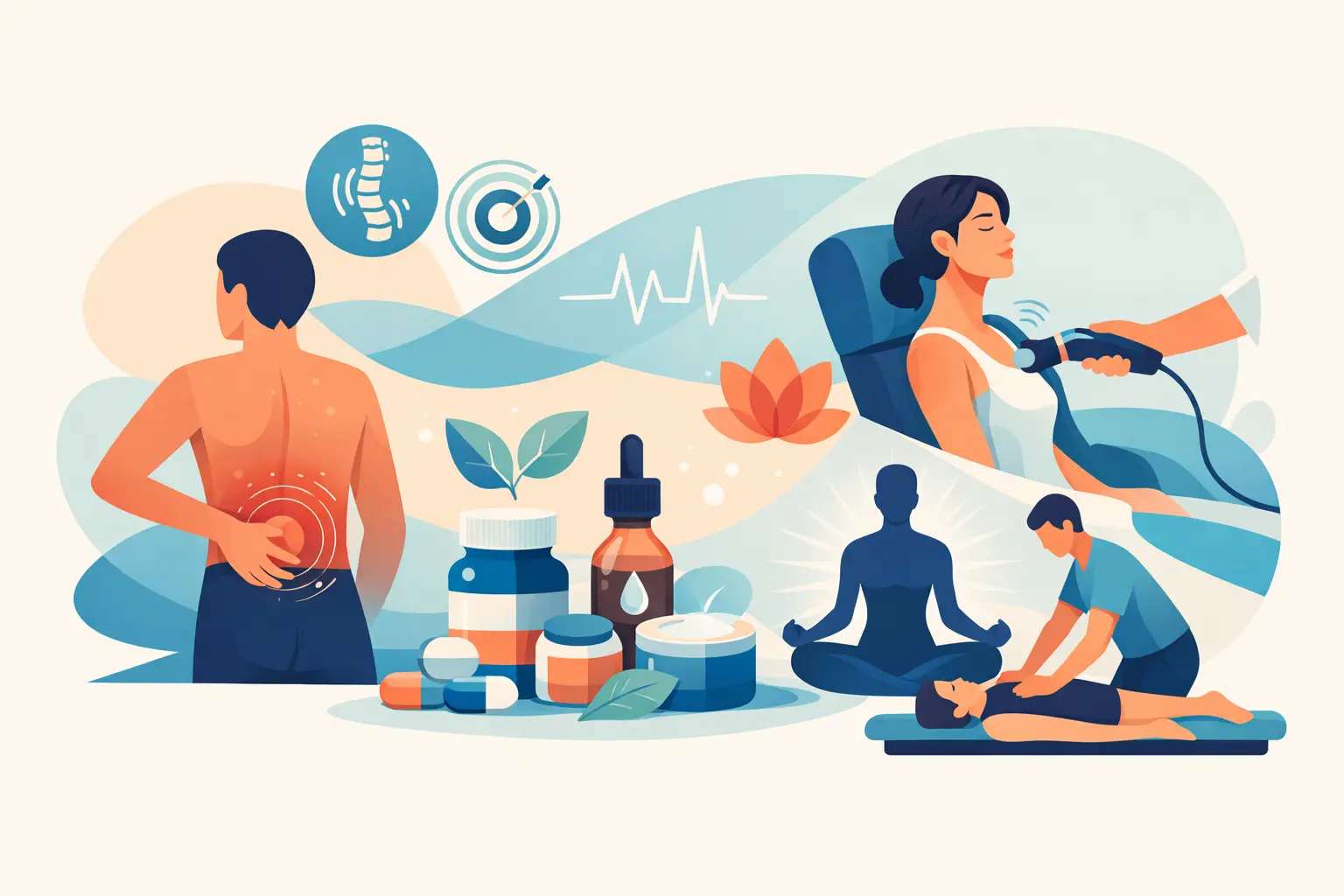
Pain changes the way people move long before it changes a scan. You stop turning your neck fully when backing out of the driveway. You shift your weight off one hip while standing at work. You cut short workouts, skip walks, and tell yourself it will pass. A good guide to non surgical pain relief starts there – with the real-life ways pain interferes with work, sleep, exercise, and day-to-day comfort.
For many musculoskeletal problems, surgery is not the first or best answer. That is especially true when pain is driven by joint restriction, muscle tension, overuse, poor movement mechanics, postural strain, or a soft tissue injury that needs the right kind of support to heal. Non-surgical care gives patients a way to reduce pain, restore motion, and address contributing factors before symptoms become more stubborn.
What non-surgical pain relief actually means
Non-surgical pain relief is not one treatment. It is a category of care that includes hands-on therapy, movement-based rehab, and supportive modalities designed to help the body recover without an operation. Depending on the condition, it may also reduce the need for medication or make medications less central to your routine.
That said, non-surgical does not mean passive or instant. The best results usually come from a plan that matches the cause of your pain, your activity level, and how long the problem has been there. A stiff neck after a stressful week may respond quickly. A long-standing low back issue with recurring flare-ups often needs a more layered approach.
A practical guide to non surgical pain relief options
When people look for relief, they often focus on the symptom alone. The problem with that approach is that pain can come from more than one source at the same time. A shoulder may hurt because the joint is irritated, but also because the surrounding muscles are overworking and the upper back is not moving well. That is why coordinated care matters.
Chiropractic care
Chiropractic treatment is often used for back pain, neck pain, headaches, joint stiffness, and movement restriction. In a musculoskeletal setting, the goal is to improve joint motion, reduce mechanical stress, and help the body move more normally. For some patients, that means spinal adjustments. For others, it may include mobilization, soft tissue work, corrective exercise, and postural advice.
This option can be especially helpful when pain is tied to stiffness, repetitive strain, poor mechanics, or recovery after minor injury. It is less about chasing a quick crack and more about restoring better function over time.
Massage therapy
Registered massage therapy can be useful for muscle tension, soreness, trigger points, stress-related tightness, and recovery from overuse. It can also help patients whose pain has created a cycle of guarding, where muscles stay tight because the body is trying to protect an irritated area.
Massage tends to work best as part of a broader treatment plan when pain keeps returning. It may relieve tension well, but if the underlying issue also involves joint dysfunction, weakness, or movement imbalance, those factors need attention too.
Acupuncture
Acupuncture is often chosen for muscle pain, chronic tension, headaches, joint discomfort, and pain patterns that do not fully settle with one type of care alone. Many patients find it calming as well as therapeutic, which matters when pain has started to affect sleep or stress levels.
Results vary by condition, but acupuncture can be a strong complement to manual treatment and exercise-based care. In chronic cases, that combination often makes more sense than relying on any single therapy in isolation.
Shockwave therapy
Shockwave therapy is commonly used for stubborn soft tissue problems such as plantar fasciitis, tennis elbow, Achilles tendon pain, and some chronic shoulder issues. It is often considered when a tendon or connective tissue problem has lingered and ordinary rest has not resolved it.
This treatment is not ideal for every pain complaint, and it can feel intense during the session. Still, for the right condition, it may help stimulate healing in tissues that have become slow to recover.
Cupping, Gua Sha, and cold laser therapy
These therapies are often used to reduce muscle tension, improve circulation in targeted areas, and support tissue healing. Some patients respond well to them as add-ons when pain has both muscular and inflammatory features.
The key is proper fit. If your pain is mostly driven by poor loading patterns, weakness, or a joint issue, these treatments may help symptoms but should not be the whole plan.
Custom orthotics and movement support
Foot mechanics affect more than the feet. They can influence the ankles, knees, hips, and lower back. Custom orthotics may help when pain is linked to alignment, standing demands, walking strain, or sport-specific loading patterns. They are not necessary for everyone, but they can be valuable when lower body mechanics are part of the picture.
Why diagnosis matters more than chasing symptoms
The most effective pain relief usually starts with a clear assessment. That means understanding what movements trigger symptoms, what tissues are likely involved, how long the problem has lasted, and what your body is doing to compensate.
Two people can both say, “My back hurts,” and need completely different care. One may have irritation from prolonged sitting and weak hip support. Another may be dealing with a lifting injury, reduced spinal mobility, and muscle guarding. If both receive the same generic advice, one or both may stay stuck.
This is where an integrated clinic model can make a meaningful difference. When chiropractic care, massage therapy, acupuncture, and other modalities are available under one roof, treatment can be coordinated around the patient rather than around a single service. At Pulse Health, that kind of team-based care is designed to support both symptom relief and long-term improvement.
What to expect from a good non-surgical plan
A strong plan should feel personalized, not prepackaged. It should explain what is likely causing the pain, what treatments are being recommended, and what progress should look like over time. It should also adapt. If one approach is not moving things forward, the plan should change.
Early treatment often focuses on calming pain and improving tolerance for everyday movement. As symptoms settle, the emphasis usually shifts toward restoring mobility, improving strength or control, and preventing the same issue from returning. That progression matters. If care stops at temporary relief, recurrence is much more likely.
Patients should also expect some honest nuance. Not every condition resolves quickly. Chronic pain, recurrent sports injuries, and workplace strain often improve in stages. Better sleep, easier movement, fewer flare-ups, and increased activity tolerance are all meaningful signs that recovery is moving in the right direction, even before pain is completely gone.
When non-surgical care is a good fit
This guide to non surgical pain relief is most relevant for common musculoskeletal complaints such as neck pain, low back pain, joint stiffness, muscle strain, repetitive stress injuries, tendon irritation, postural discomfort, and mobility limitations. It is also a strong option for people who want to stay active, return to work, or recover from injury without jumping straight to invasive treatment.
It can be especially useful for active adults, desk workers, seniors, and athletes who need practical relief that also supports function. In these cases, the goal is not just less pain on a pain scale. The goal is getting through the workday more comfortably, training with better movement, sleeping without constant discomfort, and feeling more confident in your body again.
When you should not wait
Non-surgical care has real value, but there are times when prompt medical evaluation matters more than conservative treatment. Severe trauma, sudden loss of strength, major numbness, changes in bowel or bladder control, unexplained fever, unexplained weight loss, or persistent night pain should be checked right away.
Even outside of emergencies, waiting too long can make a problem harder to reverse. When pain starts changing how you sit, walk, lift, sleep, or exercise, it is worth getting assessed before compensation patterns become part of the problem.
The right care plan should help you feel heard, give you a clear path forward, and focus on more than short-term symptom control. Pain relief matters, but so does understanding why the pain started and what will help keep it from coming back. When treatment is evidence-based, individualized, and coordinated, non-surgical care can do far more than help you get through the week. It can help you get back to living with more comfort, confidence, and movement.