
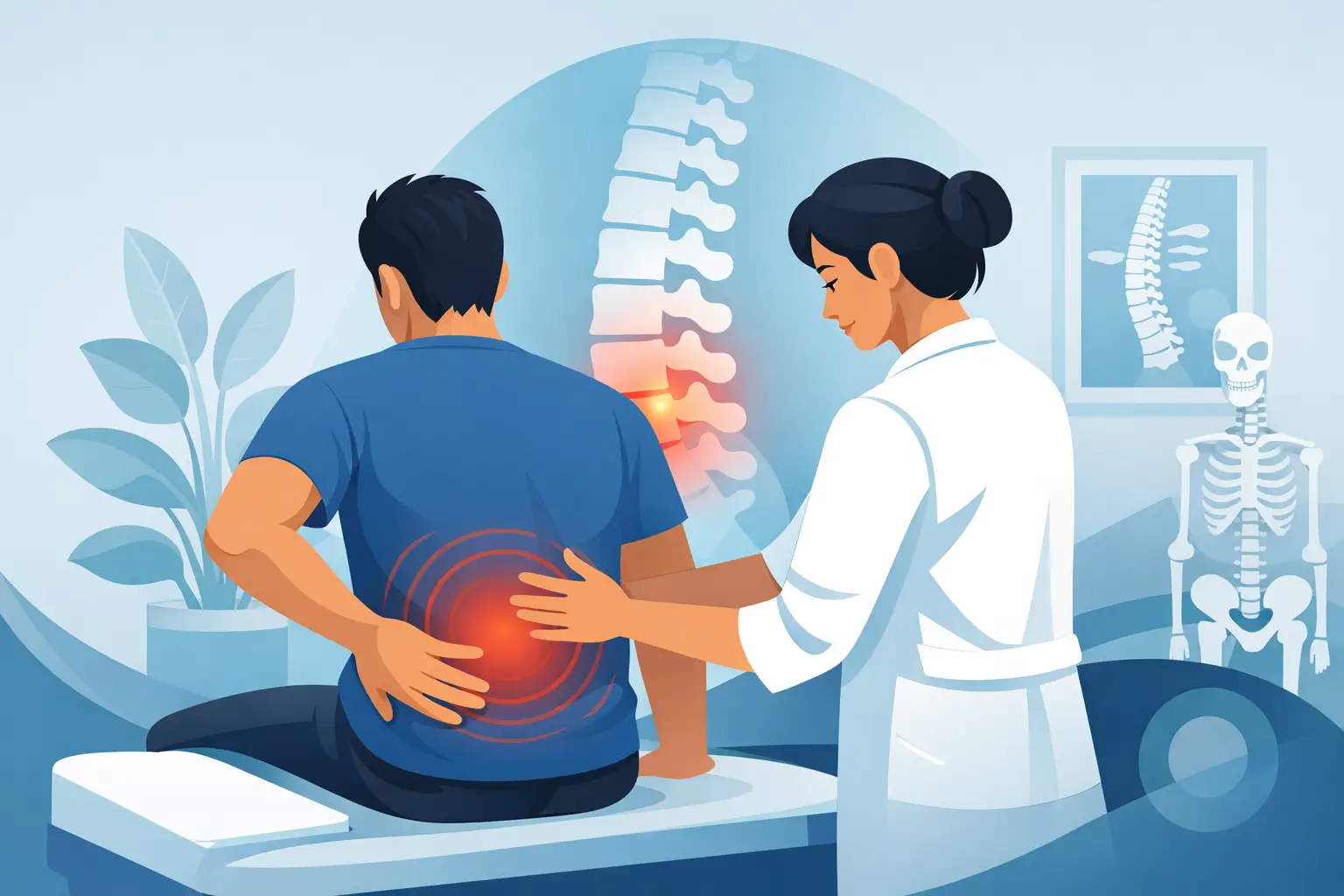
Lower back stiffness often shows up in ordinary moments – getting out of bed, standing after a long drive, bending to tie your shoes, or trying to get comfortable at your desk. If you have been wondering how chiropractic helps lower back stiffness, the short answer is that it focuses on restoring movement, reducing mechanical stress, and helping the muscles and joints of the lower spine work the way they should.
For many people, stiffness is not just about feeling tight. It is a sign that the joints, surrounding muscles, connective tissues, and movement patterns in the low back are not functioning well together. That can happen after an injury, from long hours of sitting, through repetitive lifting, during recovery from sports strain, or simply as the result of accumulated stress on the body over time.
Why lower back stiffness happens in the first place
The lower back is designed to be stable and mobile at the same time. It supports body weight, transfers force between the upper and lower body, and adapts to constant movement throughout the day. When one part of that system is not moving well, another part often has to compensate.
Sometimes the source is joint restriction. Small joints in the spine can lose normal motion, which may create a feeling of tightness or pressure. In other cases, muscles in the lower back, hips, or glutes become overactive and guarded, especially after a strain or prolonged inactivity. Stiffness may also be influenced by poor posture, weak core support, repetitive work demands, or changes in gait caused by foot mechanics.
This is one reason a quick stretch does not always solve the issue. You may be treating the sensation without addressing the driver behind it.
How chiropractic helps lower back stiffness
Chiropractic care looks at how the spine and surrounding joints move, how the body compensates, and what is contributing to irritation or restricted motion. A chiropractor does not just ask where it feels stiff. They assess how you bend, rotate, stand, sit, and move through daily tasks.
When appropriate, chiropractic adjustments can help restore motion to joints that are not moving properly. That matters because restricted spinal joints can change how force is distributed through the low back. When movement improves, patients often notice that the area feels less locked up, less guarded, and easier to use.
Adjustments are only one part of the picture. Effective care for lower back stiffness may also include soft tissue work, mobility exercises, posture guidance, and strategies to reduce the strain that keeps aggravating the problem. An evidence-based approach is not about chasing cracks or temporary relief. It is about understanding why the stiffness developed and what will help it improve over time.
What a chiropractic adjustment is really doing
A chiropractic adjustment is a controlled, precise movement applied to a joint. Its goal is to improve mobility and reduce restriction. For someone with lower back stiffness, this may help by changing how the joint moves and reducing the protective muscle tension that often builds up around a restricted area.
Patients often describe the result as feeling looser or more balanced after treatment. That does not mean every case is solved in one visit. If the stiffness has been building for months, involves multiple contributing factors, or is tied to work habits and deconditioning, the response may be more gradual.
That is where expectations matter. Chiropractic can be very effective for mechanical low back issues, but the best results usually come when treatment is paired with active rehab and changes in daily movement habits.
When stiffness is really a mobility problem
Many people assume their low back is the only issue because that is where they feel the restriction. In practice, the hips, pelvis, mid-back, and even ankles can all affect how the lower back moves.
For example, if your hips are tight and do not extend well when you walk, the lower back may take on extra motion and extra load. If your core is not supporting the trunk effectively, the back muscles may stay tense to compensate. If your workstation keeps you flexed forward for hours, the spine may become stiff simply because it is spending too much time in one position.
This is why a broader assessment matters. A patient-centered chiropractic plan should consider the full movement chain, not just the spot that hurts or feels tight.
How chiropractic care may be combined with other therapies
Lower back stiffness is often more responsive when treatment is coordinated. In a multidisciplinary setting, chiropractic care can work alongside other therapies that target muscle tone, inflammation, tissue healing, and biomechanics.
Massage therapy may help if the surrounding muscles are persistently tight or tender. Acupuncture can be useful for some patients dealing with pain and guarded movement. Shockwave therapy may be considered in certain chronic soft tissue cases. Custom orthotics may help if foot mechanics are contributing to pelvic or low back stress. Corrective exercise is often essential for building the support and mobility needed to maintain progress.
This kind of integrated care is especially valuable for people with recurring stiffness, old injuries, athletic overuse, or physically demanding jobs. At Pulse Health, that whole-body approach is designed to help patients move beyond temporary relief and toward more lasting improvement.
Who may benefit most from chiropractic for a stiff low back
Chiropractic care is often a good fit for adults dealing with mechanical lower back stiffness related to posture, repetitive strain, sedentary work, sports activity, mild joint restriction, or recovery after a non-serious injury. It can also help people who feel fine at rest but tighten up after driving, sitting, lifting, or sleeping in one position.
It may be particularly helpful if your stiffness comes with reduced range of motion, difficulty standing fully upright, discomfort when changing positions, or a sense that one side of the back is not moving normally.
That said, not every case of low back stiffness should be treated the same way. If symptoms include significant numbness, worsening leg weakness, changes in bladder or bowel control, unexplained weight loss, fever, or severe night pain, a more urgent medical evaluation may be needed. Good chiropractic care includes knowing when to treat, when to co-manage, and when to refer.
What to expect during care
A thorough first visit should include a health history, discussion of your symptoms, orthopedic and movement testing, and a clear explanation of what may be contributing to the stiffness. If chiropractic treatment is appropriate, your provider should explain the plan, expected timeline, and whether other therapies or exercises may help.
Some patients feel meaningful relief quickly, especially when the issue is recent and primarily mechanical. Others improve in stages. The first phase may focus on reducing restriction and easing irritation. The next phase often centers on improving stability, movement quality, and resilience so the stiffness does not keep coming back.
This is an important distinction. Short-term relief feels good, but long-term results usually require more than passive treatment alone.
How to support better results between visits
The most effective care plan usually extends beyond the treatment room. Small daily choices can either reinforce progress or keep feeding the problem.
If you spend long hours sitting, changing positions more often can help. If your back stiffens in the morning, a short mobility routine may reduce the sense of locking up. If lifting is part of your job, body mechanics and hip mobility become more important. If stress makes your muscles clench, recovery strategies matter too.
Your chiropractor may recommend targeted stretches, strengthening work, walking, changes to your desk setup, or recovery tools based on your specific movement pattern. That advice should feel individualized, not generic.
The bigger goal: moving with less effort and less fear
One of the most frustrating parts of lower back stiffness is how quickly it can affect confidence. People begin to brace, avoid movement, or worry that every twist or bend will make things worse. That protective cycle can make the body even more guarded.
Chiropractic care can help interrupt that cycle by improving motion, reducing irritation, and giving patients a clearer understanding of what their body needs. When combined with the right rehab and supportive care, it can help make everyday movement feel more normal again.
If your lower back keeps feeling tight, stuck, or slow to loosen up, the answer may not be to push through it. Often, the better path is to understand why the stiffness is there and address it with care that matches the way your body actually moves.