
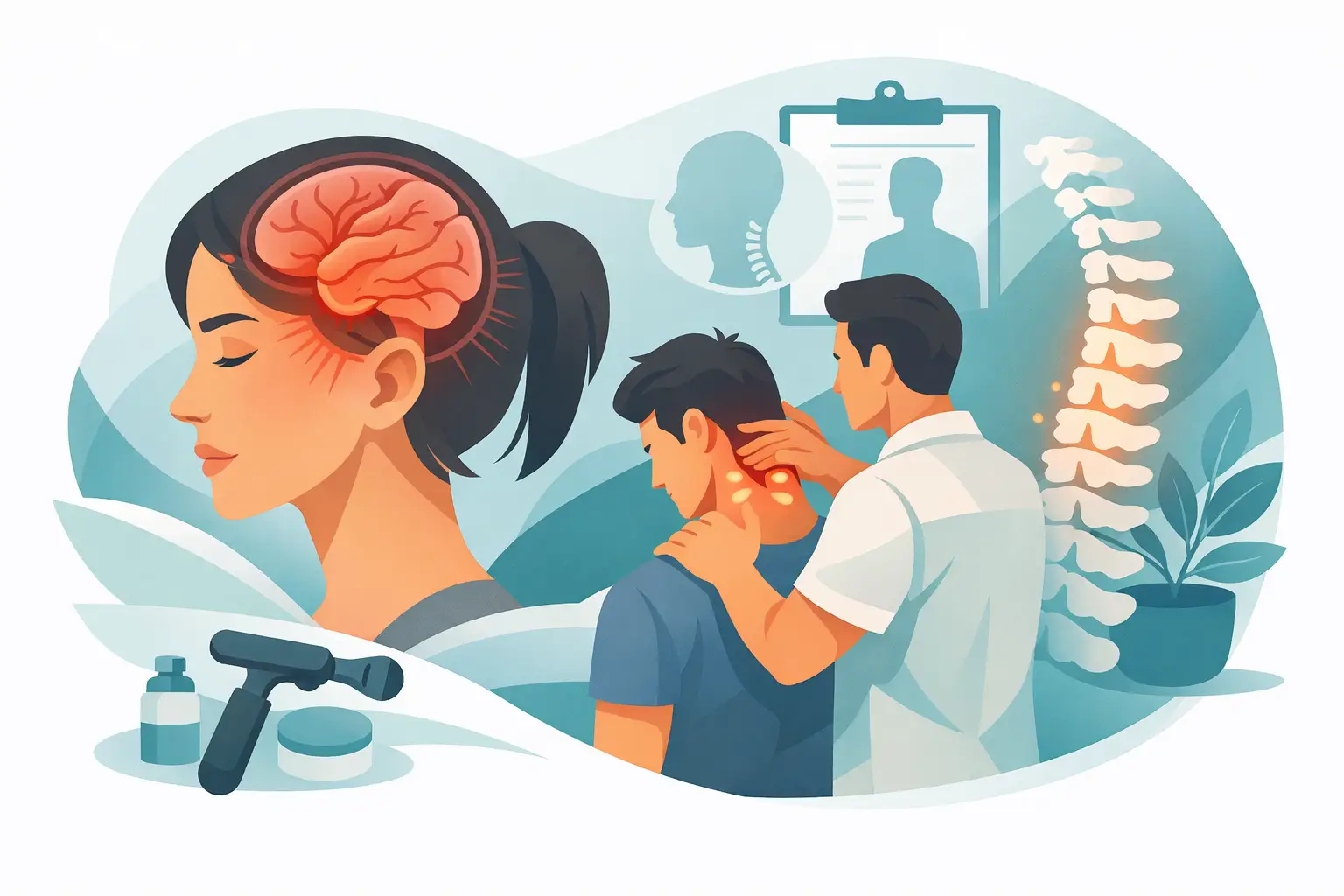
Headaches rarely stay in your head. They show up in your workday, your sleep, your workouts, and even simple things like driving or looking at a screen. If you are searching for a guide to chiropractic headaches, you are probably not just wondering what causes them – you want to know whether conservative care can actually help and when it makes sense to seek it.
For many people, headaches are tied to tension, joint irritation, posture strain, or neck dysfunction rather than a single isolated problem. That is where chiropractic care may play a useful role. The goal is not to chase symptoms for a day or two. It is to understand what is contributing to the headache pattern and build a treatment plan that supports relief, movement, and fewer flare-ups over time.
Guide to chiropractic headaches: what chiropractic care can help with
Chiropractic care is most commonly considered for headaches that have a musculoskeletal component. That usually means the pain is linked to the neck, upper back, jaw tension, posture habits, desk work, previous injuries, or restricted movement in the spine and surrounding tissues.
Two categories often come up in practice. The first is tension-type headaches, which can feel like pressure, tightness, or a band around the head. These are frequently associated with muscle tension through the neck, shoulders, and scalp. The second is cervicogenic headaches, which begin in the neck and refer pain into the head, often on one side. People with cervicogenic headaches may also notice stiffness, reduced neck rotation, or pain that worsens after long periods of sitting or driving.
Migraines are more complex. Chiropractic care is not a cure for migraines, but some people find that reducing neck tension, improving joint mobility, and addressing physical triggers can lessen frequency or intensity as part of a broader care plan. This is one of those situations where it depends on the person, the diagnosis, and the contributing factors.
Why headaches often start outside the head
A headache can be the end result of several overlapping problems. Tight muscles in the neck and shoulders can refer pain upward. Restricted joints in the cervical spine can create irritation and altered movement patterns. Poor workstation setup, repetitive strain, old sports injuries, or whiplash can all contribute.
Even stress has a physical side. When stress builds, many people brace through the jaw, shrug their shoulders, and hold tension through the upper traps and suboccipital muscles at the base of the skull. Over time, that constant load can become part of a recurring headache cycle.
This is why a good assessment matters. If treatment focuses only on the spot where the pain is felt, the real driver may be missed. A patient-centered approach looks at posture, mobility, muscle tone, injury history, work demands, exercise habits, and anything else that may be feeding the problem.
What happens during an assessment
A chiropractor should begin with a detailed history, not a rushed adjustment. That includes questions about where the pain starts, how long headaches last, how often they happen, what makes them worse, what relieves them, and whether there are associated symptoms such as nausea, dizziness, numbness, visual changes, or sensitivity to light.
A physical exam typically looks at neck range of motion, joint restriction, posture, muscle tension, and movement quality. In some cases, the provider may also assess the jaw, upper back, shoulders, or hips if those areas appear to be affecting overall mechanics.
The purpose of the exam is partly diagnostic and partly practical. It helps determine whether the headache fits a musculoskeletal pattern that may respond to chiropractic treatment or whether referral for medical evaluation is the safer next step.
A guide to chiropractic headaches and common treatments
When chiropractic care is appropriate, treatment is usually more than one technique. Spinal manipulation or mobilization may be used to improve joint motion in the neck or upper back. Soft tissue therapy can help reduce tension in overworked muscles. Many patients also benefit from guided stretching, strengthening, and posture correction to support longer-term results.
This is where integrated care can make a real difference. A person with recurring headaches may need chiropractic treatment for joint restriction, massage therapy for muscle tension, and targeted rehab exercises to improve endurance in the neck and upper back. If stress, poor sleep, or repetitive work strain are part of the picture, education and self-management strategies become just as important as hands-on treatment.
There is no single formula that works for everyone. Some patients respond quickly when a clear mechanical issue is addressed. Others improve more gradually, especially if headaches have been present for years or involve multiple triggers.
What results are realistic
Reasonable goals include less frequent headaches, reduced intensity, shorter duration, better neck mobility, and fewer activity-related flare-ups. Some patients also notice better sleep and less shoulder or upper back tension once treatment begins.
That said, honesty matters. If a headache disorder has a strong neurologic, hormonal, or systemic component, chiropractic care may be one part of the solution rather than the whole answer. Good providers should explain that clearly and avoid overpromising.
The best treatment plans are measurable. That might mean tracking weekly headache frequency, pain levels, medication use, missed workouts, or how often symptoms interrupt work. Real progress is easier to see when expectations are specific.
When headaches may not be chiropractic in nature
Not every headache should be treated as a musculoskeletal problem. Some symptoms call for urgent medical attention. Sudden severe headache, headache after significant trauma, new headache with fever, confusion, fainting, weakness, slurred speech, seizure, chest pain, or major vision changes should be evaluated right away.
It is also wise to seek medical input if headaches are progressively worsening, waking you from sleep, changing in pattern without explanation, or accompanied by unexplained weight loss or neurologic symptoms. Conservative care has an important role, but safety comes first.
What you can do between visits
Clinic treatment tends to work better when paired with simple changes at home. For many patients, the biggest wins come from reducing the daily load on the neck and upper back.
That may mean adjusting screen height, taking movement breaks every 30 to 60 minutes, avoiding prolonged forward head posture, and improving pillow support during sleep. Gentle mobility exercises, stress management, hydration, and a gradual return to regular physical activity can also help.
The key is consistency. Small daily habits usually matter more than one perfect stretch done once a week.
Who may benefit most from chiropractic care for headaches
Adults with desk-related tension, athletes with neck tightness, people recovering from car accidents, and anyone dealing with recurring headaches linked to posture or movement restriction often do well with conservative treatment. Patients who want a drug-free option also tend to appreciate a care plan built around hands-on treatment, exercise, and prevention.
At Pulse Health, that often means looking beyond the headache itself. If the neck is stiff, the upper back is overloaded, and the surrounding muscles are constantly guarding, lasting improvement usually depends on treating the whole pattern rather than one painful area.
Choosing the right provider
If you are considering chiropractic care for headaches, look for a provider who performs a thorough assessment, explains findings clearly, and builds an individualized plan. You should understand why a treatment is being recommended, what results are realistic, and what signs would warrant medical referral.
A collaborative clinic can be especially helpful for more stubborn cases. When chiropractic care is coordinated with therapies such as massage, acupuncture, or rehab exercise, patients often get a more complete plan that addresses both symptoms and root causes.
Headaches can be frustrating because they are disruptive in ways other people do not always see. Still, they are not something you have to simply push through. When the source is tied to tension, movement, or spinal mechanics, the right care can make daily life feel much more manageable again.